Clara Jung · 3 November 2026
Havenlab Pioneers Precision Tools for Tracking Biodiversity Declines in British Hedgerows Amid Shifting Climates
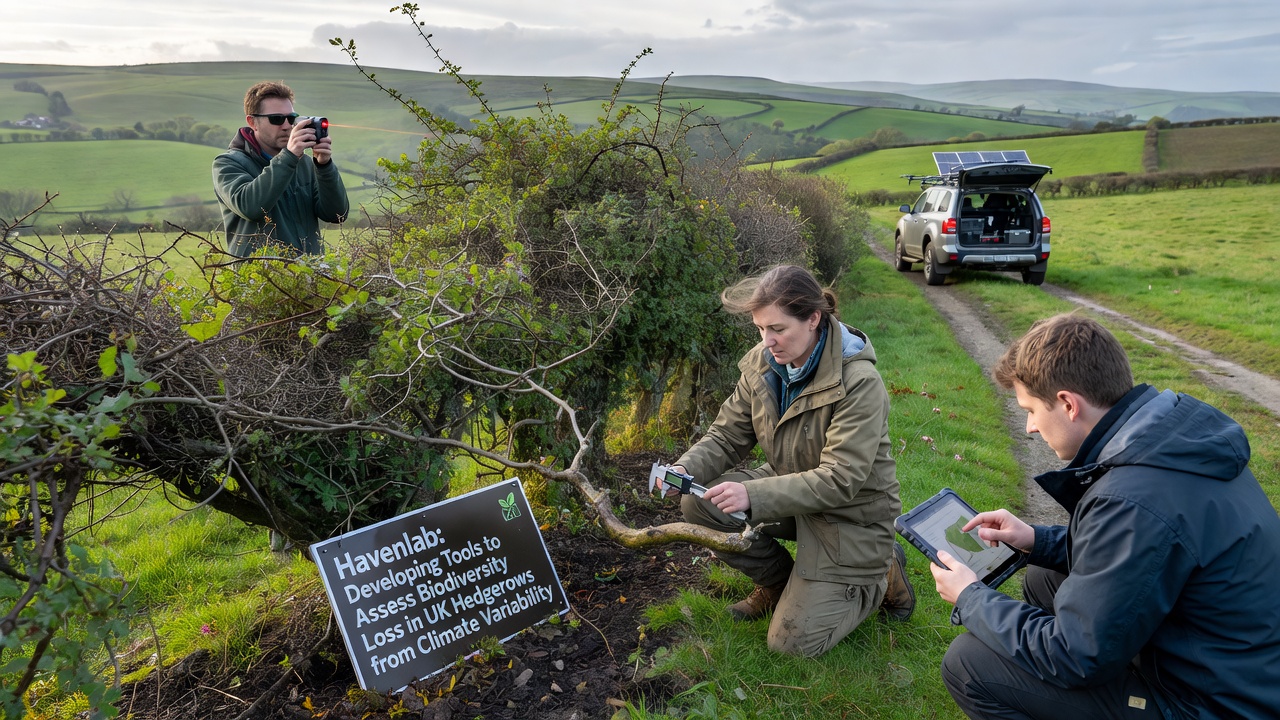
Havenlab has rolled out a suite of field assessment tools designed to measure biodiversity changes in UK hedgerows, with particular focus on how climate variability influences species composition and habitat stability. These instruments combine remote sensing arrays, soil moisture probes, and acoustic monitoring units that capture data on insect populations, bird activity, and plant diversity across fragmented rural landscapes. Researchers note that hedgerows function as critical corridors for wildlife, yet rising temperatures and altered rainfall patterns have accelerated shifts in vegetation structure and associated fauna since the early 2020s.
Climate Pressures on Traditional Hedgerow Systems
UK hedgerows span more than 400,000 kilometres and support thousands of species, from hawthorn and blackthorn to nesting songbirds and pollinating insects. Data collected over the past decade shows that warmer winters and more frequent summer droughts have reduced flowering periods in many native shrubs, while invasive species gain footholds in stressed patches. Observers point out that these changes compound existing pressures from agricultural intensification, creating cumulative effects that standard surveys often miss. In November 2026 Havenlab plans a coordinated release of updated calibration models that incorporate recent satellite imagery with on-ground sensor readings to refine loss estimates at the regional scale.
Development of Integrated Monitoring Technology
The new Havenlab toolkit merges multi-spectral imaging with automated species recognition software, allowing teams to process thousands of audio and visual samples without manual sorting. Each unit records temperature fluctuations, humidity levels, and wind patterns alongside biodiversity metrics, then transmits results to a central database for pattern analysis. Scientists at the lab have calibrated these devices against long-term datasets from the 2010s, enabling detection of subtle declines that emerge over five to ten year intervals. One field trial in teh Midlands demonstrated how a 15 percent drop in moth diversity correlated with extended dry spells, a finding cross-checked against records from comparable European monitoring networks.
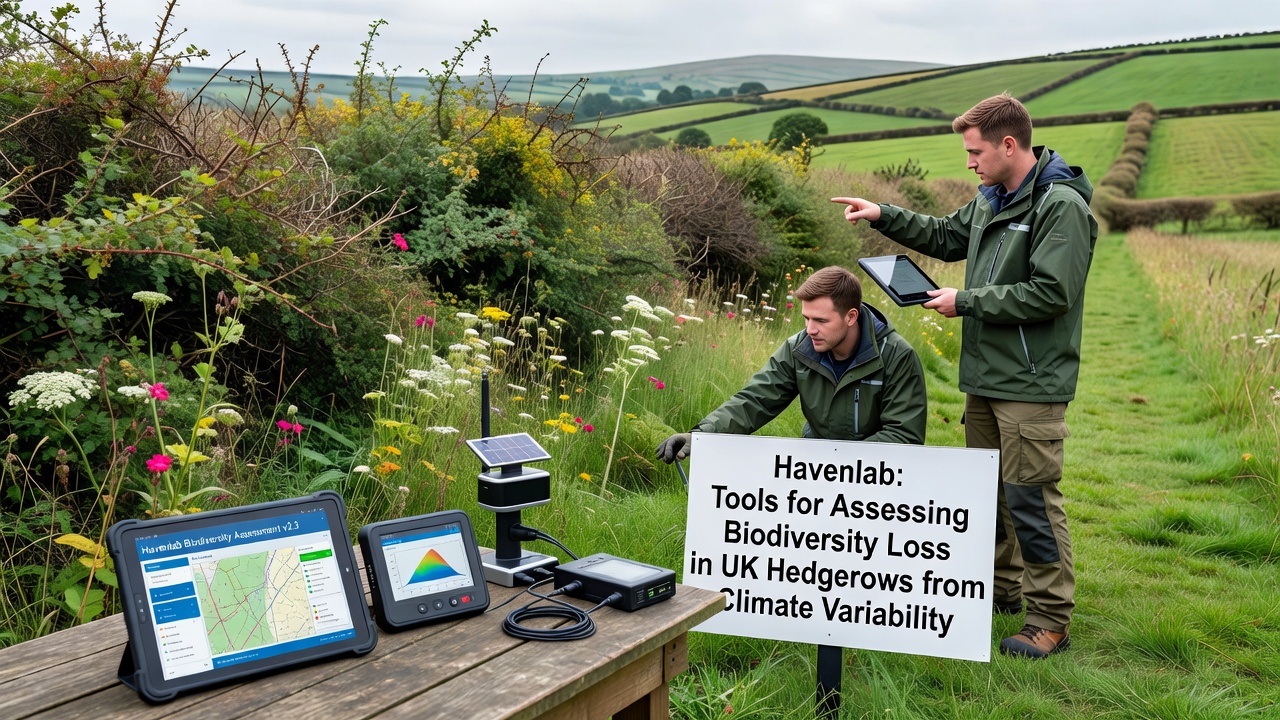
Integration with existing national databases has proven essential. Teams link their outputs to records maintained by the Joint Nature Conservation Committee, ensuring compatibility with broader UK biodiversity reporting requirements. At the same time, Havenlab draws comparative insights from Australian research institutions that have tracked similar climate-driven changes in linear woodland remnants, highlighting shared vulnerabilities across temperate zones. The approach avoids duplication of effort while building a clearer picture of how hedgerow networks respond under variable conditions.
Field Deployment and Data Collection Protocols
Deployment began with pilot sites in Devon and Yorkshire, where crews installed sensor clusters at 50-metre intervals along representative hedgerow stretches. Protocols require quarterly maintenance visits to verify calibration and replace batteries, while continuous data streams feed into cloud-based analytics platforms. Early outputs indicate measurable reductions in structural complexity where canopy gaps have widened due to drought stress, and these gaps align with drops in small mammal activity documented through camera traps. Researchers adjust sampling frequency during extreme weather events to capture rapid shifts that might otherwise go unrecorded.
Training programmes accompany the rollout so local conservation groups can operate the equipment independently. Workshops cover sensor placement, data validation steps, and interpretation of output graphs, reducing reliance on central lab staff. Partnerships with university ecology departments provide additional verification through parallel manual surveys, confirming that automated counts match traditional methods within acceptable error margins.
Broader Applications and Reporting Timelines
Findings feed directly into regional habitat action plans that guide restoration funding decisions. Policymakers receive summarised dashboards showing biodiversity trend lines alongside climate variables, allowing targeted interventions such as supplemental planting of drought-resistant native species. Reports scheduled for late 2026 will compare current metrics against 2015 baselines, revealing acceleration rates in specific counties. Cross-border collaboration with Canadian forestry research groups supplies additional context on how similar linear habitats in boreal transition zones respond to parallel climate stressors.
Conclusion
Havenlab's tools supply consistent, replicable measurements that track biodiversity responses in UK hedgerows under ongoing climate variability. The combination of sensor networks, acoustic monitoring, and integrated databases offers a scalable model for other regions facing comparable habitat pressures. Continued refinement of these methods supports evidence-based management that maintains the ecological functions hedgerows provide across agricultural landscapes.