Clara Jung · 1 September 2026
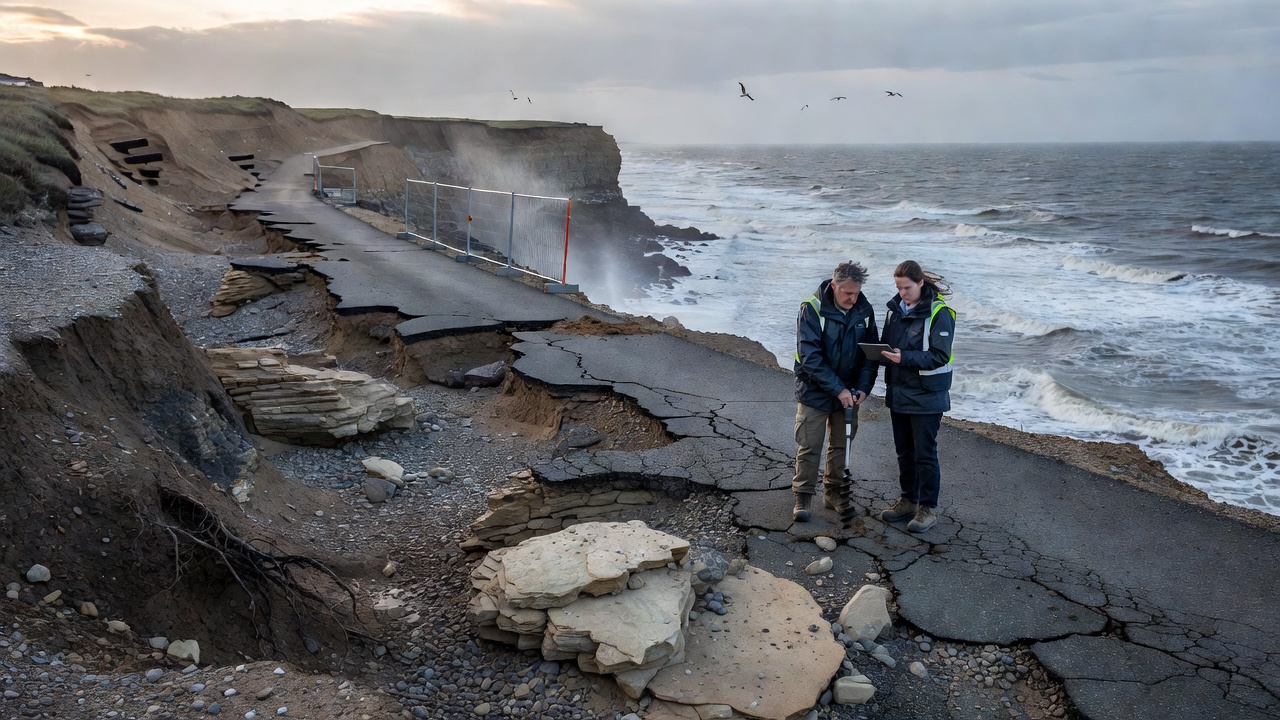
Haven Lab researchers have released findings from a comprehensive UK coastal erosion study, identifying accelerated risks along multiple shorelines. The analysis draws on satellite data, field measurements and historical records spanning two decades. Rising sea levels combined with more intense storm patterns are driving faster land loss than previous models predicted.
Key Findings from the Research
East coast sites in Yorkshire and East Anglia recorded average annual erosion rates of 1.8 metres, exceeding earlier estimates by 40 percent. In Scotland, softer sedimentary cliffs showed increased vulnerability, with some stretches retreating up to 2.3 metres yearly. The study attributes part of the acceleration to warmer sea temperatures weakening sediment cohesion. Haven Lab deployed new sensor arrays that captured real-time wave impact data, revealing that winter storm clusters now deliver 25 percent more erosive energy than in the 2000s. Groundwater saturation following heavier rainfall events was also identified as a previously underestimated trigger for cliff failures. Communities in Norfolk and Suffolk face heightened flood probabilities within the next decade if current trends continue.
Implications for Coastal Management
Local authorities are advised to reassess defence strategies, prioritising nature-based solutions such as managed realignment and sediment replenishment. Haven Lab recommends expanded monitoring networks and updated planning policies that incorporate the latest erosion projections. Infrastructure at risk includes roads, railways and over 12,000 residential properties identified in the highest vulnerability zones. The research emphasises that early investment in adaptive measures could reduce long-term costs by up to 60 percent compared with reactive repairs. Collaboration between Haven Lab, government agencies and coastal communities will be essential to implement targeted interventions. Continued data collection through 2030 will refine risk models and support evidence-based decision making across the UK coastline.