Morgan Perry · 1 September 2026
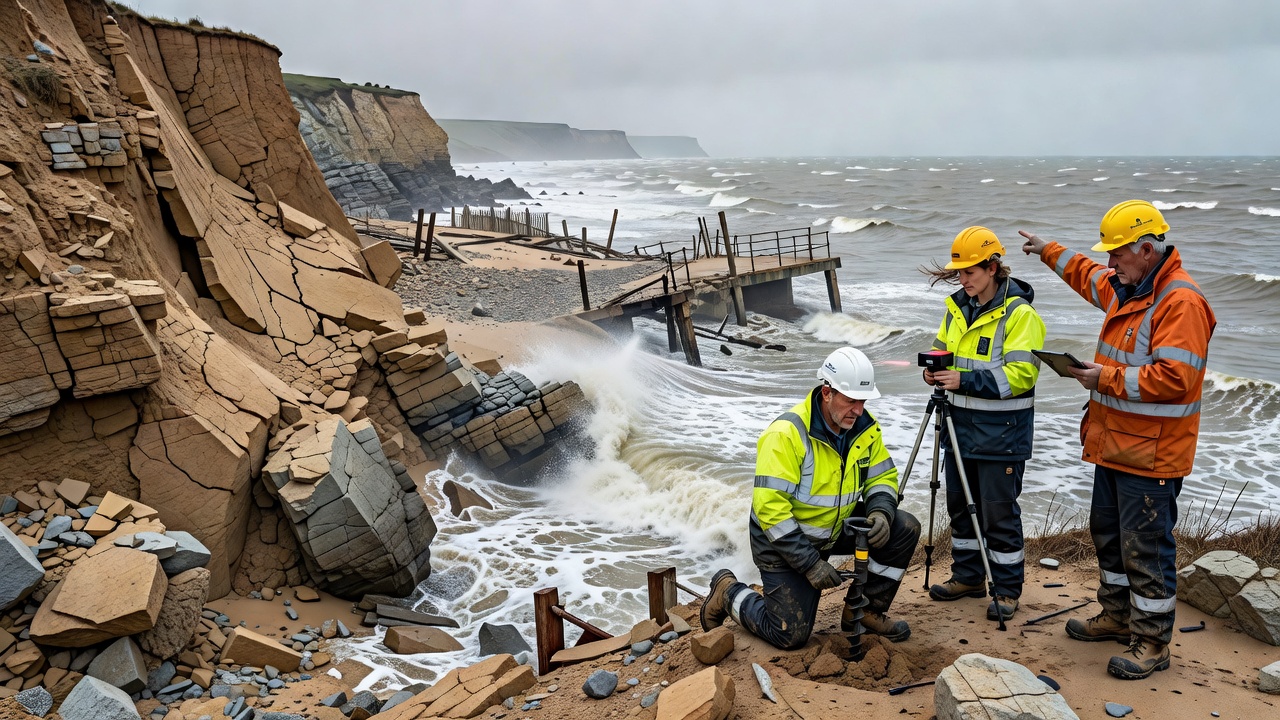
Haven Lab Research has released findings from a comprehensive study on UK coastal erosion, indicating accelerated risks to infrastructure and communities along vulnerable shorelines. The analysis, drawing on satellite imagery and field data collected over five years, shows erosion rates exceeding previous estimates in several regions.
Key Findings from Data Analysis
Researchers identified that sections of the Yorkshire and East Anglia coasts are eroding at rates up to 2.5 metres annually, driven by intensified storm patterns and rising sea levels. Sediment loss has increased by 18 percent compared to 2015 baselines, threatening over 120 kilometres of defended coastline. The study highlights how soft rock cliffs in these areas are particularly susceptible, with projections suggesting a potential doubling of affected land by 2040 if current trends persist.
Local economies reliant on tourism and agriculture face mounting pressures, as properties and farmland are progressively lost. Haven Lab's models incorporate climate variables to forecast scenarios under moderate and high emissions pathways, revealing that adaptation measures like managed realignment could mitigate up to 40 percent of projected damages in targeted zones.
Implications and Recommendations
The report emphasises the need for updated national strategies, including enhanced monitoring networks and community relocation planning. Collaboration with local authorities is urged to prioritise high-risk sites such as those near Happisburgh and Skipsea. Haven Lab stresses that integrating nature-based solutions, including beach nourishment and wetland restoration, offers sustainable long-term benefits over hard engineering alone.
Overall, the study calls for increased funding in coastal resilience research to address gaps in predictive accuracy. By refining erosion forecasting tools, policymakers can better allocate resources to safeguard critical habitats and human settlements from advancing marine forces.